Reserve your seat, October 13Reserve seat
Live event Tuesday, October 13, 2026 · 10:00 AM–12:30 PM CST · real venue details sent on registration

The Prevent
Method Live

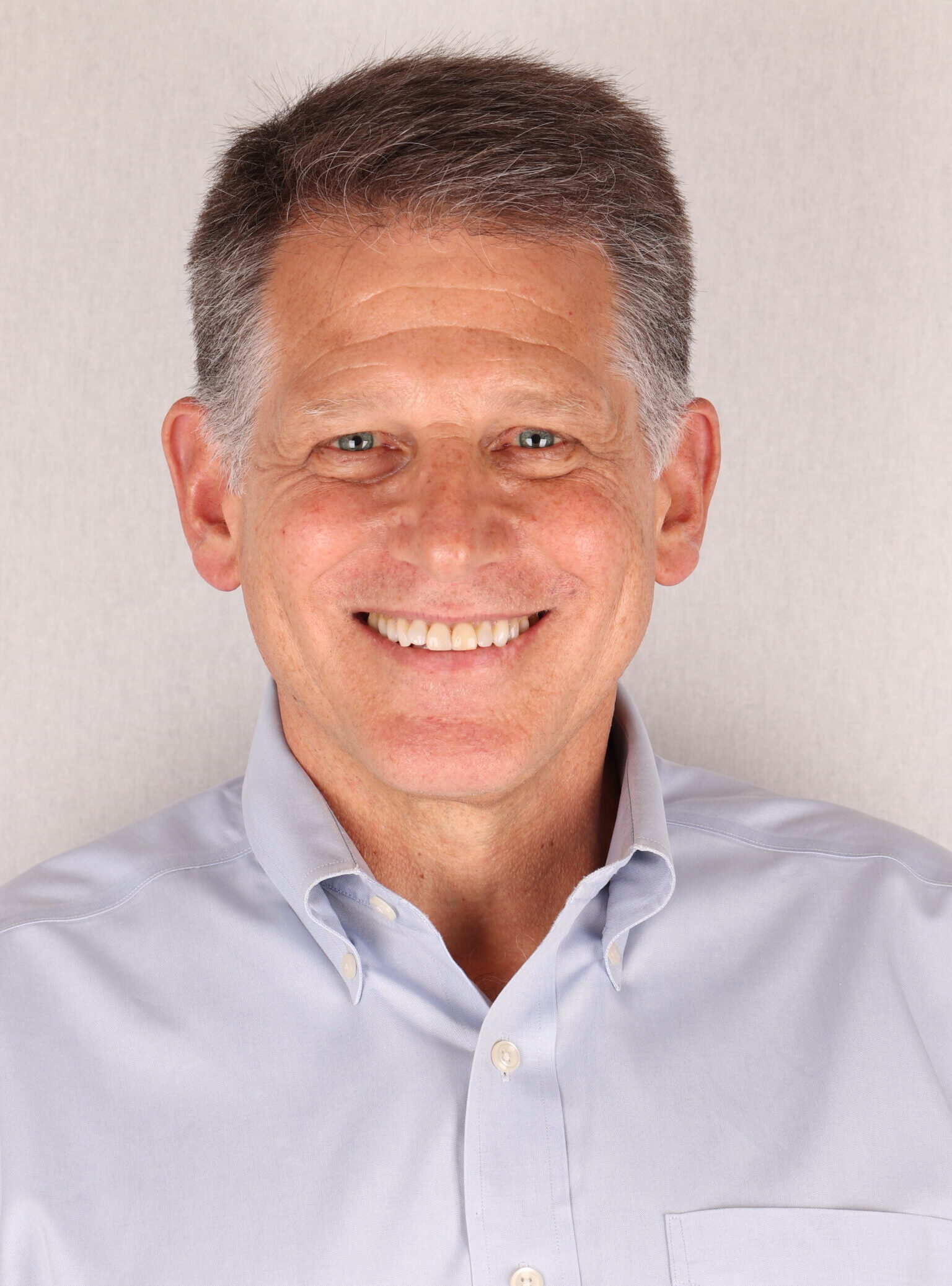
A real day of on-site testing and live teaching connecting oral health and whole-body prevention, presented by Dr. Gina Pritchard, Dr. Jill Wade, and Dr. Victor Avis.

Speakers

Who you'll hear from
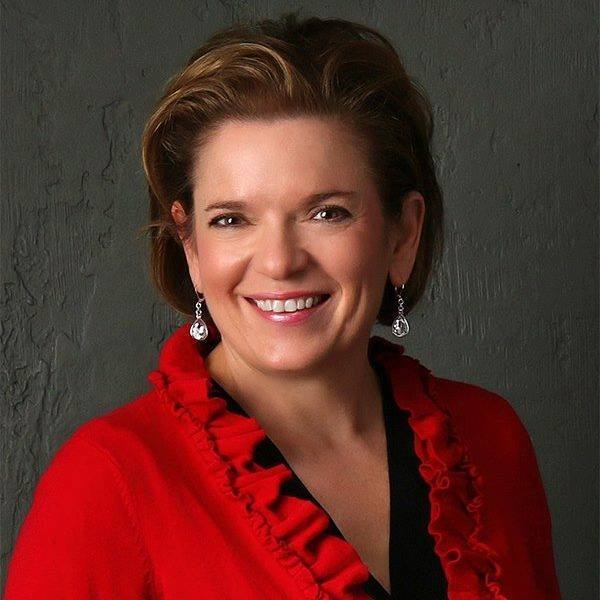
Dr. Gina Pritchard
Dr. Gina Pritchard, DNP
Heart of Longevity / The Prevent Clinic
In practice since 2005 and licensed in 47 states and Washington, D.C. Leads the telehealth side of The Prevent Method, connecting what you learn about your mouth and airway back to your heart, your arteries, and the rest of your body.
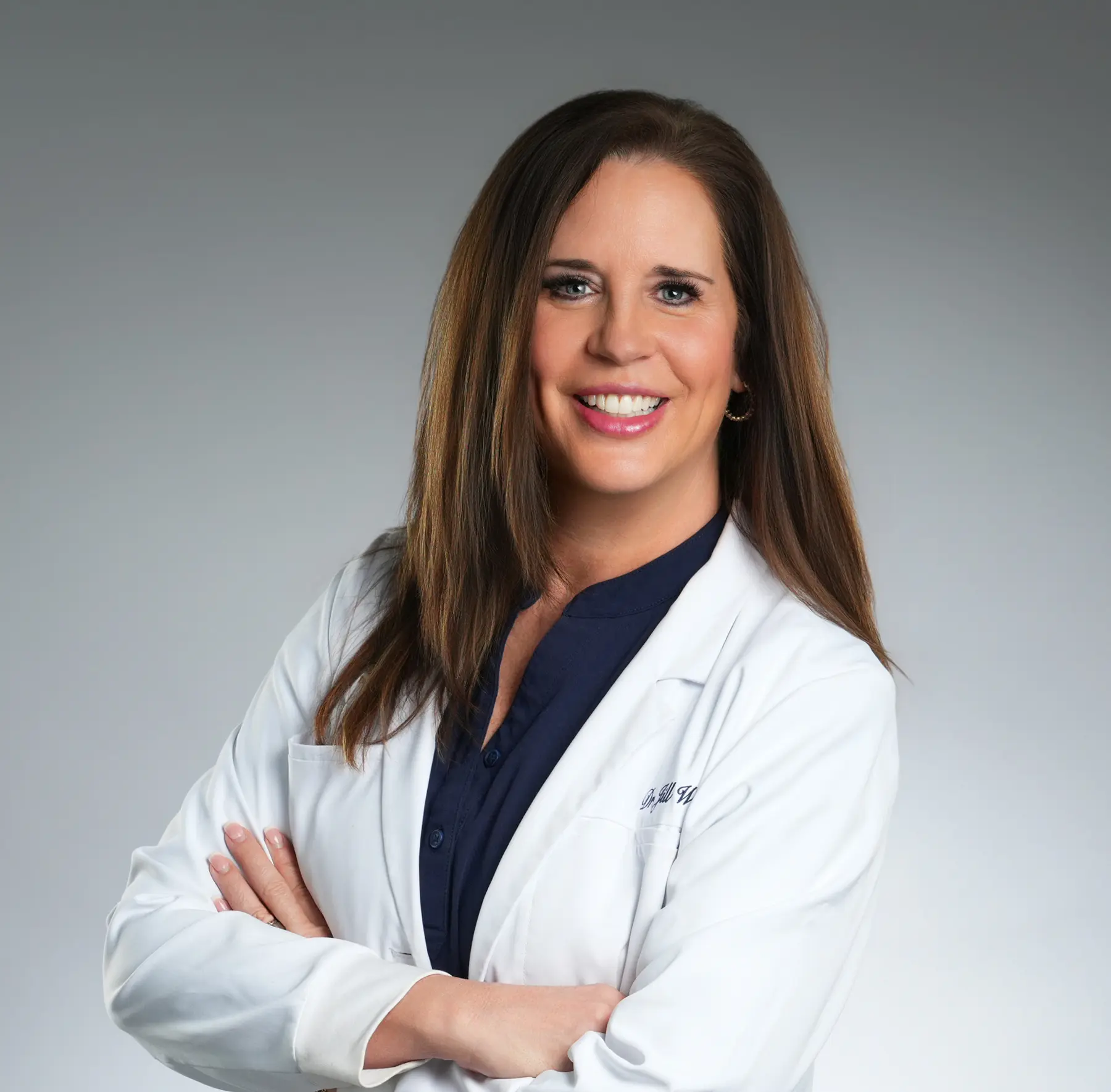
Dr. Jill Wade
Dr. Jill Wade, DDS, MAGD
Founder, Stonebriar Smile Design
Founder of Stonebriar Smile Design in Frisco and Plano, Texas, with more than 20 years in practice. A founding member of the American Academy of Oral Systemic Health and a graduate of the Bale/Doneen Method preceptorship.
Dr. Victor Avis GUEST SPEAKER
Dr. Victor Avis, DDS
Chairman, The Airway Revolution Foundation
A third-generation dentist and Chairman of the Board of The Airway Revolution Foundation, co-founded in 2021 with his daughter, Sydney. Joins as guest speaker on airway health and where it fits into whole-body wellness.
Why this room matters

Three doctors who rarely share a room, together for one day on October 13

Most heart risk builds for years without a single symptom, and most people only ever hear about it in pieces: a cholesterol number from one office, a comment about their gums from another. The doctors who could connect those pieces work in different buildings and keep different files. On October 13, three of them will be in the same room with you.

The risk that builds quietly between appointments

That split has a real cost. Carotid ultrasound research links the thickest artery walls to 1.4 to 3.2 times the risk of heart attack, and a study of 172,630 adults found that tooth loss and gum problems were indicators of higher heart disease risk (the full findings are in the research section on this page). Signals like these can sit in plain sight for years, divided between a physical and a dental cleaning, with nobody sitting down to explain in plain language what they mean together or what you could actually do about them.

Dr. Pritchard, Dr. Wade, and Dr. Avis, in one room

Getting an hour with any one of these doctors takes effort. Getting all three for the same day, building on each other's work in front of you, is something most people are never offered, and it's the real reason this event exists.

Dr. Gina Pritchard, DNP, has been in practice since 2005 and is licensed in 47 states and Washington, D.C., through her telehealth practice, Heart of Longevity and The Prevent Clinic. She's the connective tissue of the day, taking what you hear about your mouth and your airway and tying it back to your heart, your arteries, and the rest of your body.

Dr. Jill Wade, DDS, MAGD, founded Stonebriar Smile Design in Frisco and Plano, Texas, and has more than 20 years in practice behind her. She's a founding member of the American Academy of Oral Systemic Health and completed a Bale/Doneen Method preceptorship, so the connection between oral health and whole-body health sits at the center of her work.

A third-generation dentist, Dr. Victor Avis is Chairman of the Board of The Airway Revolution Foundation, which he co-founded in 2021 with his daughter, Sydney. He joins as our guest speaker on airway health and where it fits in the larger picture.

What October 13 looks like, starting at 10:00 AM CST

The morning opens with on-site carotid artery and arterial age ultrasound testing, a look at the artery wall itself with no needles and no radiation. At 12:30 PM CST the live teaching begins, covering how The Prevent Method connects dental and whole-body care, how the two practices work together, and Dr. Avis on airway health. Seeing your own artery wall for the first time can turn prevention into something personal, and you'll leave with a clearer picture of where your arteries stand, early enough to act on it.

Doctors with this kind of background spend most of their days inside their own practices, in their own cities, seeing patients one at a time, so a day where all three teach together, in language you can follow, doesn't come around often. Being in that room is a genuine privilege. Detect early, act early, reduce risk: October 13 is where that starts.

Reserve a seat for October 13

Someone on our team will call you personally to schedule your testing time.

The model

Two practices. One clinical model for prevention.

TELEHEALTH
The Prevent Clinic
Heart of Longevity. Dr. Gina Pritchard's telehealth practice for preventive, whole-body care.
DENTAL · FRISCO / PLANO, TX
Stonebriar Smile Design
Dr. Jill Wade's dental practice, serving Frisco and Plano, Texas.
HOW IT WORKS
Connected, not merged
Each practice stays independent. Billing stays separate: Stonebriar under Dr. Wade, The Prevent Clinic under Dr. Pritchard.
Reactive care vs. prevention

Two early warning signs, filed in two offices that rarely compare notes

For most people, the heart gets checked once a year, at a physical that usually covers blood pressure, a cholesterol panel, and a question about how they've been feeling. Their gums get checked separately, by a dentist who in most cases never speaks with their physician. Both visits can come back fine while the artery wall is slowly changing, since neither office is set up to look for something that hasn't caused a symptom yet.

The usual way The Prevent Method
When anyone looks
Once a year, or after something starts to feel wrong
Before anything has a diagnosis attached, with an on-site carotid ultrasound that looks at the artery wall itself for early thickening
What gets measured
Blood work and a blood pressure reading
Blood work, plus the artery wall directly. Across published studies, people whose carotid walls fell in the thickest range had 1.4 to 3.2 times the risk of heart attack compared with people in lower ranges
Where your mouth fits
Its own department, handled at the dentist and left there
Part of your cardiovascular picture, since bacteria tied to gum disease have been found inside plaque in the carotid and coronary arteries
Who talks to whom
Your dentist and your physician keep separate files
Dr. Jill Wade's dental practice and Dr. Gina Pritchard's telehealth practice follow one shared clinical model, so with your permission, what one practice finds can shape what the other looks for
What you leave with
Often a normal result, with no look inside the artery wall
A clearer picture of where your arteries stand, early enough to act on it

Your doctor and your dentist are doing what the usual system asks of them. The Prevent Method changes what gets asked, putting two signals that normally sit in separate files, an early change in the artery wall and the health of your gums, side by side while there's still time to act on what they show.

Why this matters

Three research findings that link your gums to your arteries

Heart disease usually builds quietly in the artery wall well before anyone feels it, which is why the research below focuses on what can be seen early instead of what shows up late. All three findings come from peer-reviewed work.

Thicker carotid artery walls track with higher heart attack and stroke risk

A peer-reviewed review of ultrasound-based cardiovascular risk prediction looked at how carotid wall thickness lines up with heart attack, stroke, and death from heart and blood vessel disease. Across the studies it covered, people in the highest thickness ranges had 1.4 to 3.2 times the risk of heart attack, 1.4 to 3.5 times the risk of ischemic stroke (the kind caused by a blocked artery), and 2.3 to 2.9 times the risk of cardiovascular death, compared with people in lower ranges. In one study of 652 patients who already had narrowed coronary arteries, those with thicker carotid walls faced 2.52 times the risk of another cardiac event. The ultrasound offered on-site on October 13 looks at this same artery, with no needles and no radiation.

Your mouth showed up as a heart signal in 172,630 adults

A 2026 peer-reviewed review of the oral and heart health research highlights a study following 172,630 adults, where tooth loss and self-reported gum problems were indicators of higher risk for ischemic heart disease, the type driven by narrowed arteries.

Gum bacteria have turned up inside arterial plaque

Two bacteria closely tied to gum disease have been detected inside plaque in both the carotid and coronary arteries, which makes the connection physical rather than only statistical. The same review reports that treatment matters too: people whose gum disease was treated showed a 30% improvement at six months on a standard test of how well a major blood vessel in the arm widens, compared with people who went untreated.

What one ultrasound can and can't tell you

A carotid ultrasound is a single look at one artery on one day, so it can't predict exactly what will happen to you, and a reassuring result isn't a reason to stop paying attention. What it can do is show you something about your artery walls that a cholesterol number or a blood pressure cuff has no way of showing, early enough to sit down with a clinician and decide what to do next. Detect early, act early, reduce risk: that's the order The Prevent Method follows, and the testing on October 13 is where it starts.

Reserve a seat for October 13

Someone on our team will call you personally to schedule your testing time.

What we'll cover
On-site testing
10:00 AM–12:00 PM CST, carotid artery and arterial age ultrasound testing, performed in person.
The Prevent Method
What the joint model is and why the two practices work together.
How the practices connect
How care moves between The Prevent Clinic and Stonebriar Smile Design.
Airway Revolution
Dr. Victor Avis on the power, position, and importance of airway health.
Register

Save your seat for October 13.

DATETuesday, October 13, 2026
TIME10:00 AM–12:30 PM CST
WHEREReal venue sent directly on registration

Register with your phone number, someone on our team will personally call you to schedule your testing time and reserve your seat.